
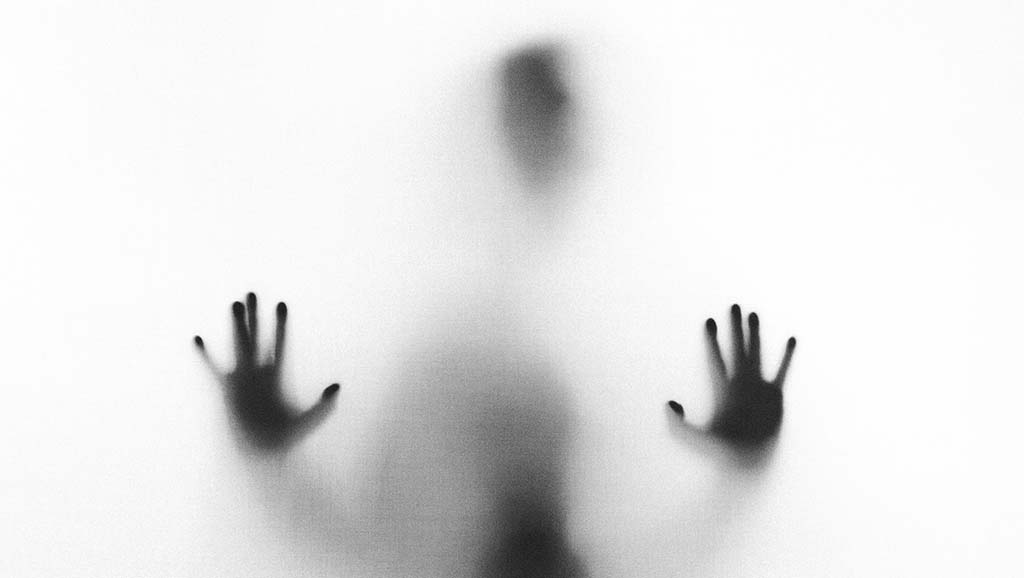
I open my eyes long before I’m ready. It’s still very dark outside, but the day has already started in my mind and body. A dull burn sits in my right shoulder, and a sharp thread of neuropathic pain runs along the side of my right leg as if someone has tugged a live wire under the skin. I lie there for a minute, adjusting my breathing, trying to figure out whether I slept at all or just drifted in and out of chaotic half-dreams again. It’s so hard to tell these days. With fibromyalgia, sleep feels more like a negotiation than a biological rhythm—and one I certainly, rarely win.
The thoughts start early, scattered and buzzing. I try to collect them together, but they’re slippery, random. I think about the things I hope to do today, the things I promised myself I would do, and whether I’m already behind. Fatigue moves through my mind like a dense fog, slow and thick, spilling into everything. It makes even simple awareness feel heavy. My body tells me to stay still, but staying still doesn’t help, not any more. The longer I lie here, the more aware I am of the small pulses of pain that never shut off.
I roll a little onto my side, and the sheets feel rougher than they should. That’s one of the small “gifts” fibromyalgia brings: sensitivity dialled up way too high. A shift that used to be automatic now requires a plan. I fold and unfold my arms, try to move my right hip without letting my back tighten, and hope nothing spasms. Even the careful movement sends a small spark up my spine. Not enough to make me cry out, just enough to mark the beginning of the day’s conversation between me and my body. The conversation is always one-sided. My body speaks. I listen.
When I manage to sit up, the room shifts. The dizziness isn’t dramatic. It’s the kind that makes you pause, blink a few times, and wonder if getting up will help or make everything worse. I touch my feet to the floor. The cold feels sharp, almost electric. Neuropathy can turn the simplest sensation into a strange, unpredictable signal. Sometimes it feels like numbness, sometimes like tingling, sometimes like a burn. This morning it’s a mix. I wiggle my toes to confirm they still work the same way they did yesterday.
My head feels packed with steel wool. People imagine fatigue as being tired, but this is different. This is a full-body heaviness, like someone poured mud into every limb. Even my thoughts feel slow. I whisper silently to myself, “One step at a time,” not as some uplifting mantra but as a literal instruction. I need the reminder.
I shuffle into the bathroom and catch a glimpse of myself in the mirror. My eyes look a little sunken, cheeks pale, hair flattened into a mound of sleep-shaped chaos. I don’t look sick, not in any obvious way, and that’s part of the battle. There’s an expectation that illness should look dramatic. Mine lives under the surface. If pain had a colour, maybe then people would understand the weight of it. Instead, I appear functional, upright, capable. Appearances lie.
Before I even think about brushing my teeth, I make myself get into the shower. The water hits my skin like tiny needles at first, sharp enough that I almost step back out. It’s strange how something meant to soothe can hurt this much. After a minute, though, the heat settles into my skin and loosens the stiffness in a way nothing else does. I stand there caught in a tug-of-war: part of me craving the relief, part of me wishing the sensation didn’t feel so abrasive. I like feeling clean. I just wish the process didn’t demand so much from a body that already doesn’t have much to give. I towel dry slowly. The feeling of the rubbing towel brings both cosiness and discomfort.
I brush my teeth slowly, taking small breaks between movements because my shoulder hurts, and the muscles in my neck have decided they want to clench. Pain doesn’t scream at me; it just nags with persistence. A constant tap on the shoulder, a reminder that nothing today will be simple. When I rinse my mouth, I feel a sudden sting in my jaw. Another one of those random pain bursts that comes and goes without explanation. Fibromyalgia likes to play roulette with symptoms; but you never seem to win.
I make my way to the kitchen and start the usual morning ritual: a cold drink, something easy to eat, and the inevitable check-in with my body and mind. I lean on the counter because standing for too long starts a burn in my body. A part of me wants to push through and pretend everything is normal, but pretending only works for short stretches before the crash hits. I’ve learned to pace myself out of survival rather than discipline.
The taste of food doesn’t always register first thing in the morning. Fatigue tends to flatten everything. Halfway through my Weetabix, I feel the familiar ache settle in my jaw. It’s a deep, grinding sensation, as if the joints have been rusted overnight. I stretch my arms a little, though stretching is hit or miss. Sometimes it helps. Sometimes it lights everything up. Today it helps for a moment, then fades back into the usual baseline. Baseline pain is still pain, just the kind I’ve learned to live alongside over the last too many years.
I check the time. I’ve been awake for an hour, and it already feels like I’ve run a race. My mind is trying to map out the day while my body is already bargaining for rest. This continual tug-of-war between mental intention and my body’s limitation is a constant theme. I think about the tasks waiting for me: errands, messages, responsibilities I can’t put off. Smaller things, too—cooking, light chores, maybe a short walk if the weather isn’t terrible. It’s strange to have to plan around pain, but it becomes second nature after a while. Every decision includes the question: “Will this cost more energy than I have?”
By late morning, the brain fog thickens. I try to read emails, but my focus slips. Words blur together. I reread the same sentence multiple times before it fully sinks in. The cognitive side of chronic pain doesn’t get as much attention as the physical pain, but it can be just as disruptive. “Fibro fog,” people call it, but that phrase makes it sound soft or harmless. It’s not. It’s like trying to breathe underwater. My memory glitches, my concentration drops, and I lose my train of thought without warning. Conversations become puzzles as words become elusive. Tasks stretch out longer far than they should.
At one point I pause and stare at the wall because my mind has completely gone. I try to remember what I was doing. It comes back eventually, but moments like this pull a thin thread of frustration through me. I know getting angry will only make the symptoms flare, so I swallow it again and again, remind myself that this is my normal. Not the normal I chose, but the one I must navigate to continue.
Around midday, the neuropathic pain sharpens. It’s a buzzing, vibrating sting along my jaw, shoulder, arms and calves. Sometimes it feels like insects crawling under the skin, other times like a mild electric shock. Today it’s more of a pinprick pattern, random little bursts that make me flinch. I massage my forearm, though it doesn’t really help. The nerves fire when they want. I’ve tried explaining this sensation to people before. It’s hard to describe something that shifts so quickly and never leaves a visual mark. Pain without evidence becomes a strange drain. You feel it constantly, yet you’re the only witness.
I rest for a little, stretching out on in my recliner chair. I don’t sleep, because daytime sleep never comes easily, and even if it did, waking up usually makes everything worse. So, I just breathe and let the minutes pass with my eyes lightly closed. My mind drifts. Sometimes I think about my old life—before the pain became my daily companion. Back when a bad night’s sleep meant just feeling a bit groggy, not semi-paralysed. Back when activity didn’t require a military strategy. I miss that version of myself, the one who could decide to do something and simply do it. No planning, no pacing, no calculating energy costs, no overthinking. But dwelling on that for too long just carves out a sadness that sits within me, so I try to pull myself out of it.
Eventually, I get up and try to tackle a few small tasks. Wash a few dishes. Tidy up a little. Moving slowly from room to room. My body warms up with movement, which is good, but my pain has its own opinion. My lower back starts throbbing. My feet feel stiff, as if they’re wrapped too tight in something. It’s not dramatic enough to stop me entirely, but enough to certainly keep me cautious. I’ve learned that ignoring these signals leads to heavier crashes later, and those crashes can wipe me out for days.
In the afternoon, the exhaustion hits harder. It’s not sleepiness—it’s utter depletion. A sense that my limbs are filled with rocks. Even thinking feels like work. I try to sit down and rest again, but the pain makes sitting uncomfortable. Standing isn’t better. There’s no position that offers real relief, just slightly different flavours of discomfort. I settle into the least irritating one and wait for the wave to pass.
This is the part that people never see. The quiet, grinding moments where I’m not doing anything except holding my mind and body together. When life feels paused, but time keeps moving ever forward. When pain takes up all the room in my mind, leaving nothing for the rest of life.
As the afternoon fades, I try to find something that distracts me. Sometimes it’s music. Sometimes it’s a TV show I’ve already seen, because new information is too much for my fogged brain. Today I put on something familiar, letting the background noise keep me anchored. My thoughts however drift again, but this time in a softer way. I think about the people who live with this kind of pain every day, how many of us there are, moving through the world with bodies that simply refuse to cooperate. There’s a strange comfort in knowing I’m not alone, even though each person’s version of chronic pain is its own private universe.
By early evening, I try to prepare dinner. My hands ache as I chop vegetables, and each motion sends a small vibration of pain up my arms. I pause often. I realise it takes me longer each day to do what I did yesterday. Eventually I manage a simple meal. I sometimes eat slowly, partly because the fatigue kills my appetite and partly because chewing sometimes triggers a pain flare in my jaw. My hands still hurt, holding my oversized cutlery as I cannot grip a traditional knife and fork anymore. I never expected something as basic as eating to become such a mindful task, but here we are.
The day winds down, but the pain doesn’t. If anything, evenings tend to stir things up. The aches settle into a deeper, more pervasive kind of pressure. My muscles feel tender, like they’ve been overworked even though I barely moved.
Night is both a relief and a challenge. I want rest desperately, but rest rarely comes easily. I climb into bed and try to find a comfortable position. Fidgeting, trying to get all my pillows into just the right position, so that even the soft cotton fluffiness doesn’t irritate me.
The hours stretch. Sleep circles the edges but doesn’t entirely commit. I drift in and out, never dropping fully into rest. Every time I start to slip under, a jolt of pain or a muscle twitch snaps me back. I’ve got what the medical professionals call “happy legs”. Trust me, they are far from happy. They never keep still. Dancing about from one position to another to find any degree of comfort. I check the time. Midnight. Then one. Then two. My mind begins to fray around the edges. I think about tomorrow and hope it won’t be worse, but chronic pain doesn’t follow any kind of predictable pattern. Some mornings are cruel but manageable, others are near impossible.
At some point, I stop fighting sleep and just lie there, letting my thoughts wander. I think about how invisible this life can be, how the struggle sits quietly behind my eyes while the world carries on. Pain shapes everything, yet I try every day to carve out small moments that feel like living rather than surviving. Some days I succeed. Today wasn’t one of those days. And that’s okay.
Eventually, I doze off in small fragments. When morning comes again, I’ll start the routine all over. Different pains, same patterns. A life lived in negotiation with a body that simply won’t cooperate, but still my life, still mine to navigate. And even in the exhaustion, even in the fog, there’s a stubborn part of me that keeps going. Not out of heroism or some grand resilience, but because this is the only body I get, and I’m learning—slowly, imperfectly—to live with it.
That’s a day in my mind with chronic pain. Not dramatic. Not tragic. Just constant, demanding, complicated, and very real.